Medical Assistant Programs in Temple: A Practical Guide to Choosing the Right One

There are hundreds of medical assistant programs across the country — and they are not all the same. Some are rigorous, hands-on, and built to get you certified and hired. Others are overpriced, poorly structured, or missing critical clinical training. The challenge isn’t finding a program. It’s finding the right one.
This guide walks you through what to evaluate, what questions to ask, and what separates a great program from an average one in Temple.
The 6 things that matter most when choosing a medical assistant program
1. Hands-on clinical training
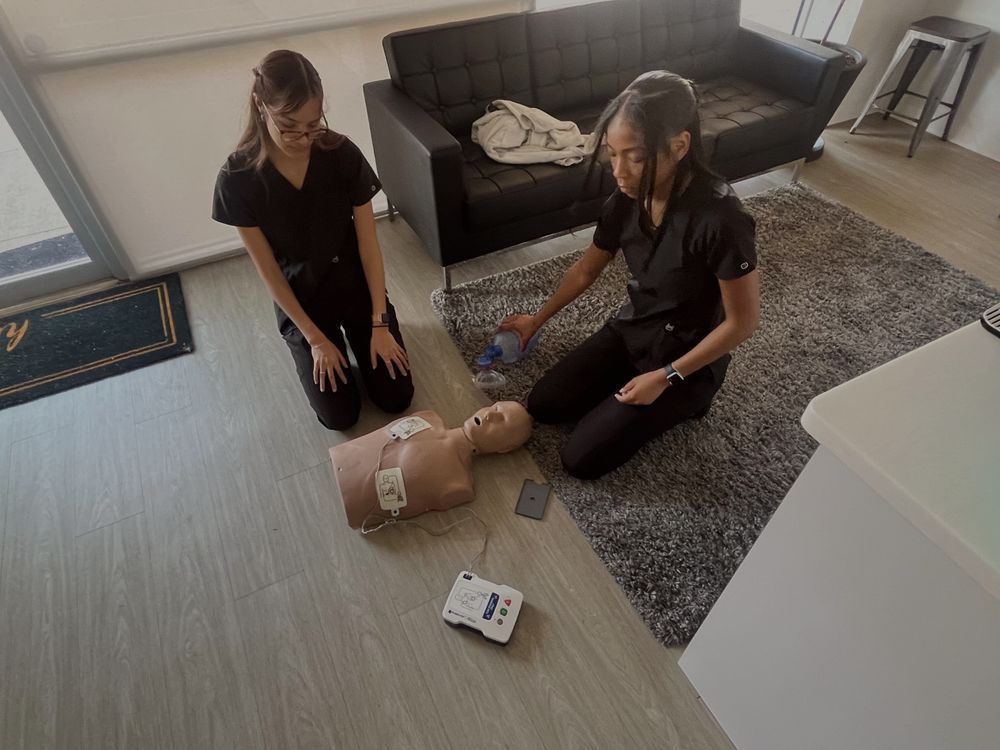
This is non-negotiable. Medical assistants draw blood, take vitals, administer injections, assist during procedures, and manage infection control. You can’t learn those skills from a textbook alone.
Look for programs that include supervised clinical practice with real equipment — not just videos and quizzes.
2. A clear, structured curriculum
The curriculum should be organized around specific skills and competencies. By the time you finish, you should be able to clearly articulate what you can do — phlebotomy, EKGs, vitals, patient communication, EHR documentation, and more.
See what our program covers: Program details.
3. Certification preparation
The best medical assistant programs prepare you for a recognized certification exam, like the CCMA (Certified Clinical Medical Assistant) through the NHA. Certification isn’t always required by law, but it consistently gives graduates an advantage in the job market.
4. Realistic program length
Programs range from a few months to two years. Shorter doesn’t always mean worse — some of the most effective programs are accelerated medical assistant programs that focus exclusively on the skills you’ll use on the job. Longer programs that include unrelated general education courses may not be worth the extra time.
5. Transparent, affordable tuition
You should know exactly what you’re paying before you start. Look for:
- A clear tuition breakdown (no hidden fees for materials, exams, or uniforms)
- Flexible payment options (weekly or monthly plans)
- A total cost that makes financial sense relative to your expected starting salary
Review our tuition: Tuition.
6. Career support after graduation
Training that ends the day you get your certificate isn’t enough. Good programs provide support with:
- Resume preparation
- Interview skills
- Job search strategy and connections to local employers
- Externship placements that can lead to job offers
Red flags to avoid
When comparing medical assistant programs, watch out for:
- No hands-on training — if everything is digital, you won’t be prepared for clinical work
- Vague outcomes — if the program can’t tell you what you’ll be able to do when you finish, that’s a problem
- Unusually high tuition — some programs charge $15,000–$25,000+ for training that could be completed at a fraction of the cost
- No certification path — if the program doesn’t prepare you for the CCMA, RMA, or another recognized credential, your training may not carry weight
- Pressure to enroll immediately — a good program gives you time to make an informed decision
Questions to ask before enrolling
Before you commit to any program, ask these:
- What clinical skills will I practice hands-on during training?
- Does the program prepare me for a specific certification exam? Which one?
- What is the total cost, including all fees?
- Are payment plans available?
- Do you offer career support or externship placement?
- How long is the program from start to finish?
- Can I talk to a current student or recent graduate?
Take the next step at Temple Medical Assistant School
- Explore the program: Program details
- Review tuition: Tuition
- Ask questions: Contact
- Apply: How to apply
You're only a few months from the medical assistant career you deserve.